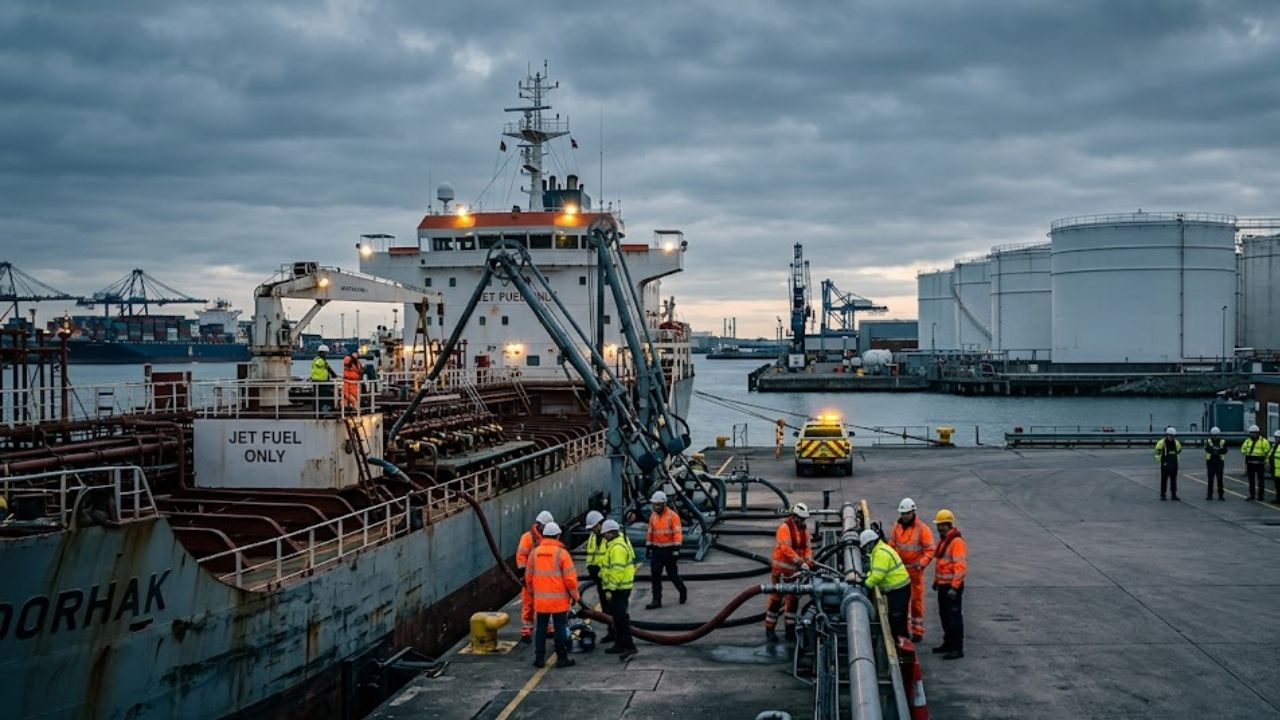
The United Kingdom is facing renewed attention on its fuel infrastructure as the final jet fuel shipment arrives, marking a critical moment in the ongoing supply situation. While this delivery provides temporary relief concerns about long-term fuel availability remain. The UK aviation sector, along with broader energy networks, continues to navigate uncertainties tied to global logistics and domestic reserves. This update sheds light on the current status potential risks, and what it means for industries and consumers across the country as supply challenges persist.

UK Fuel Supply Update 2026: Jet Fuel Delivery Highlights
The arrival of the final shipment has been seen as a short-term boost for the UK’s aviation sector. However, experts warn that this does not eliminate deeper structural issues. The shipment temporarily eases airport fuel shortages while stabilizing aviation operations in key hubs. Still, reliance on imported energy supplies leaves the system vulnerable to disruptions. Airlines and logistics providers are closely monitoring supply chain gaps as they prepare for fluctuating availability. While this delivery buys time, stakeholders understand that it’s not a long-term fix and further planning is essential.

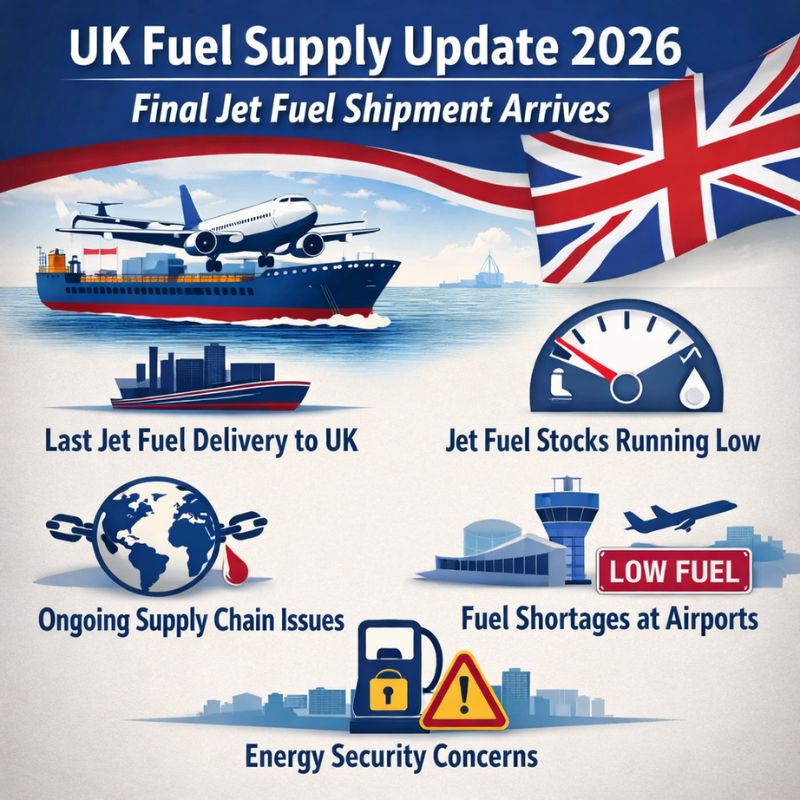
Ongoing UK Jet Fuel Supply Concerns and Risks
Despite the recent delivery, the UK continues to face underlying risks tied to its fuel infrastructure. Industry analysts highlight limited storage capacity and refinery output challenges as ongoing issues. Additionally, global factors such as shipping delays impact and geopolitical shifts are adding pressure. The aviation industry is particularly sensitive, with flight scheduling risks increasing if supply disruptions persist. Businesses are now focusing on contingency planning and diversification strategies, aiming to reduce dependency on single supply routes and enhance resilience against future uncertainties.
 DWP PIP Payment Rates April 2026: New Benefit Amounts And Eligibility Updates For Claimants
Future Outlook for UK Fuel Supply Stability
Looking ahead, the UK government and industry leaders are exploring solutions to strengthen fuel security initiatives. Initiatives include investing in energy diversification plans, expanding domestic fuel reserves, and improving infrastructure resilience measures. There is also growing emphasis on alternative energy adoption to reduce reliance on traditional jet fuel. While these steps are promising, achieving long-term stability will require coordinated efforts across sectors. The focus remains on building a system that can withstand global disruptions while ensuring consistent fuel availability for critical industries.
Analysis of the UK Fuel Supply Situation
The recent shipment highlights both the strengths and weaknesses of the UK’s fuel supply system. While emergency measures can address immediate shortages effectively, the reliance on external sources underscores the need for structural reform measures. Experts emphasize long-term policy changes alongside strategic energy planning to ensure sustainability. The situation also reflects the importance of global market dynamics in shaping domestic supply conditions. Moving forward, a balance between innovation and infrastructure investment will be crucial. Ultimately, the UK’s ability to adapt will determine how effectively it can manage future supply challenges.
| Aspect | Current Status | Impact Level |
|---|---|---|
| Jet Fuel Shipment | Final delivery arrived | Temporary relief |
| Supply Stability | Uncertain | Moderate risk |
| Storage Capacity | Limited | High concern |
| Global Logistics | Disrupted | Ongoing impact |
| Future Measures | Under planning | Positive outlook |
Frequently Asked Questions (FAQs)
1. What does the final jet fuel shipment mean for the UK?
It provides short-term relief but does not resolve long-term supply concerns.
2. Why is the UK facing fuel supply issues?
 DWP Early Payment Update 2026: Benefits and Pensions to Arrive Ahead of Bank Holiday Schedule
Factors include global disruptions, limited storage, and reliance on imports.
3. Will flights be affected by the fuel situation?
There is a risk of disruptions if supply issues continue.
4. What steps are being taken to improve fuel stability?
The UK is investing in diversification, reserves, and alternative energy solutions.