People with certain medical conditions may be able to get a medical driving licence from the DVLA. You have to renew this licence every few years. But there is a lot of demand for these licenses, so applicants may have to wait a long time. Drivers who don’t tell the police about these health problems could be fined up to £1,000.
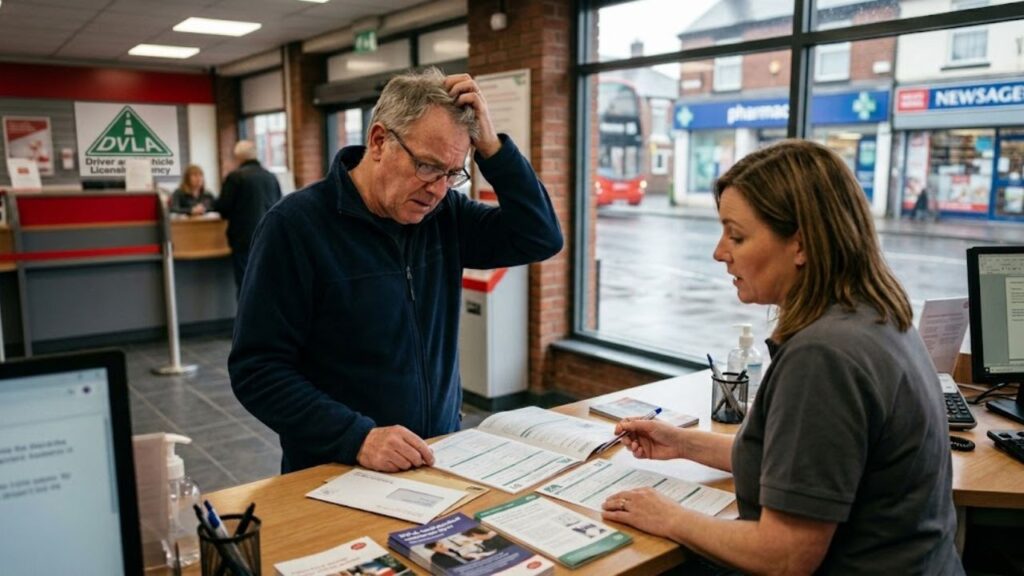
Update on the DVLA Medical License
A Conservative MP named Alicia Kearns asked the Secretary of State for Transport what they are doing to speed up the processing of these medical licenses. Under-Secretary Simon Lightwood said that the department has been dealing with a lot more complicated applications lately in response to the question.

DWP PIP Eligibility Update 2026: 178 Medical Conditions That Can Get You Up to £194 a Week
He said, “The DVLA is getting more and more applications for driving licenses from people with one or more medical conditions, and they are getting harder to process.” Unfortunately, this has made some customers wait longer. In 2024/25, the DVLA made more than 830,000 decisions about medical licenses. They are expected to get more than 925,000 medical applications and notifications in 2025/26.To keep up with rising customer demand and provide better service, the DVLA is updating its online service and launching a new casework system. These changes will help a lot of drivers who have health problems. These changes, along with hiring more people to handle medical applications and answer phone calls, will make things better for customers.
What the Update Means for Households: Changes to UK TV Licence Rules Starting April 1, 2026
Drivers who have certain medical conditions must tell the DVLA or they could be fined up to £1,000. According to a blog post on Gov.uk, most people can report their condition online and keep their regular licence. Some people, on the other hand, will get a medical driving licence.
These medical licenses need to be renewed every one, two, three, or five years to make sure the person’s health is still good and they can still drive. These licenses are very similar to regular driving licenses, but they have special codes that show any changes or restrictions that need to be made when driving.
DWP Benefit Rate Increase 2026: Attendance Allowance, State Pension, PIP, and Universal Credit Set to Go Up
We use your sign-up to send you content in ways you’ve agreed to and to find out more about you. This could include ads from us and other companies, depending on what we know about you. More information
In two cases, the DVLA needs to know about a person’s health:
- You need to tell someone about a medical condition or disability.
- Your condition has gotten worse since you got your licence.
There is a full A-Z list of conditions that must be reported to the DVLA on the Gov.uk website. These are things that might make it hard for you to drive safely.
Here are some common conditions that need to be reported:
- Taking insulin or having diabetes
- Fainting (syncope)
- Heart problems, like atrial fibrillation and pacemakers,
- Apnoea during sleep
- Seizures
- Strokes and Glaucoma
You also need to tell us about any other medical conditions that make you have seizures, feel very sleepy during the day, have vision problems, or have neurological disorders like Parkinson’s disease. If your condition makes it unsafe for you to drive, your doctor can tell you.
If you don’t tell the DVLA about a health problem that needs to be reported, you could get a fine of up to £1,000 if you get into an accident. You might also be charged with a crime, depending on how bad the accident was. Your car insurance will probably also no longer be valid, which means you will have to pay for everything that happens because of the accident.